.jpg)
Somewhere in a lab at Indiana University, Priya Shields is looking at something almost nobody has looked at closely before: the far edge of a motor neuron, the long, thin axon that reaches out from the spinal cord all the way to a muscle. Shields’ research focuses on the possibility that changes within the axon may be among the earliest signs of ALS. Her work at Dr. Brian Pierchala's Lab has found that axons contain their own genetic instructions, separate from those in the neuron’s cell body, raising new questions about how disruptions in axonal RNA may contribute to disease progression.
Shields is a fifth-year graduate student pursuing a PhD in Medical Neuroscience at the Stark Neurosciences Research Institute within the Indiana University School of Medicine. She works under the mentorship of Dr. Brian Pierchala, whose laboratory investigates the development and regenerative capacity of peripheral axons, including motor axons, with a focus on motor neuron degeneration and death associated with ALS.
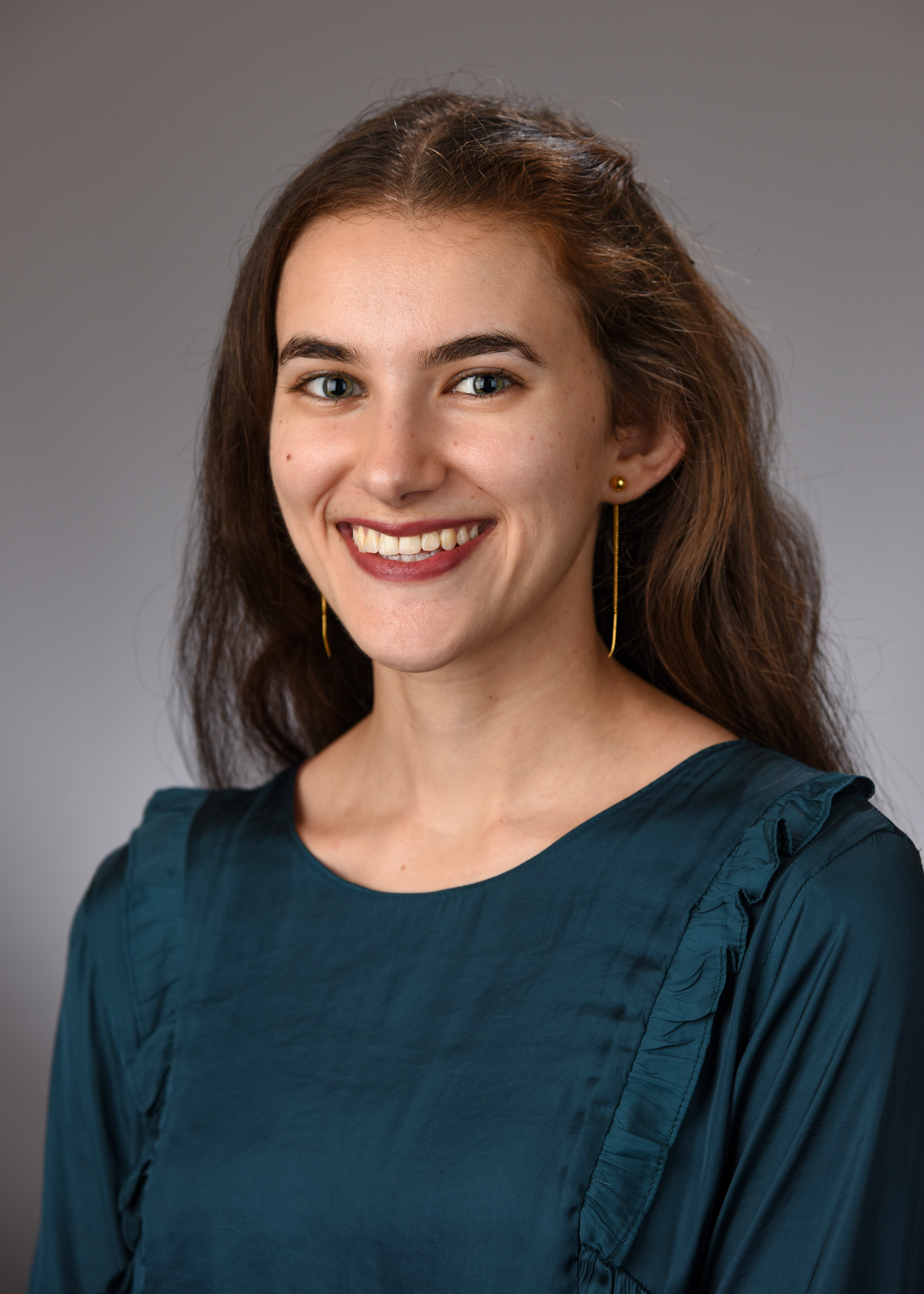
Priya's work is supported by the Roselle Fund Research Grant, which was made possible through funds raised at Live Like Lou’s All In for ALS Research Trivia Night.
Asking a New Question About ALS
About 90% of ALS cases occur without a known genetic cause, leaving researchers searching for other factors that may contribute to the disease. One area of interest is TDP-43, a protein that accumulates abnormally in the vast majority of ALS cases.
Another clue is found at the neuromuscular junction, where motor neurons communicate with muscles. Research suggests these connections can begin to deteriorate before other parts of the motor neuron show signs of damage.
That has led Shields to ask whether the axon itself could play an important role in the earliest stages of ALS.
Her project, Investigating Altered Axonal RNA Metabolism in Models of ALS, will use a mouse model of ALS and stem cells derived from patient blood samples to examine how RNA changes within axons as the disease progresses. She will also investigate whether environmental toxins associated with ALS disrupt this process.
The findings could help identify new treatment targets and provide insight into how environmental factors may interact with ALS biology.
From Trivia Night to the Lab
The funding for Shields’ research began with a community gathering: Live Like Lou’s All In for ALS Research Trivia Night. Funds raised through the event supported the Roselle Fund Research Grant, helping make Shields’ research possible.
“Laurie and I always believed that breakthroughs in ALS research might come from early-career scientists given the opportunity to ask bold questions at the start of their careers,” John Roselle said, whose support established the Roselle Research Endowment Fund. “For years, funds raised through Live Like Lou’s All In 4 ALS Research Trivia Night have helped support promising undergraduate researchers at Notre Dame and Purdue. We are thrilled to grow that vision with Indiana University by supporting Priya, a dedicated and bright graduate student, as she pursues research that could change how we understand ALS.”
From a night of trivia to a laboratory at Indiana University, community support is helping fund research into some of ALS’s most difficult questions.